
Scoliosis
Scoliosis Symptoms, Treatments and Exercises.
Scoliosis is a common daily presentation in my practice.
However - what are the different types and symptoms of Scoliosis? What are the most effective scoliosis treatments? Is it necessary to resort to scolisis surgery?
Are there effective exercises to correct scoliosis? Do exercise disciplines such as Yoga or Pilates work? How effective are support mechanisms such as a scoliosis brace?
Sponsored links
In this section, we will look at these and many more questions - based on my observations within my own practice as well as my personal experience with scoliosis.
Sponsored links
Lumbar Scoliosis »
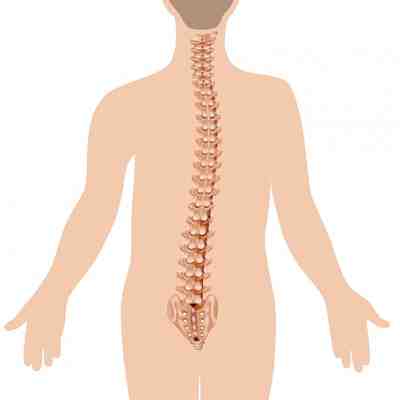
Lumbar Scoliosis is either congenital or idiopathic. This article looks at the two causes and what can be done to improve the condition. Expert advice from a Chartered Physiotherapist.
Mild Scoliosis »

A mild scoliosis is a small deviation or twist in your spine at some level - often so small it is only visible to a trained eye or x-ray examination. The good news is they are usually not a serious…
Scoliosis and Back Pain »
Back pain is often associated with scoliosis. This is due to the movement and weight transference of pressure through your spine being altered by scoliosis. Tissues and bones can get over stressed in scoliosis causing pain and disability.
Scoliosis in Children »

Scoliosis in children is the most common form of idiopathic scoliosis. Early detection and intervention will help the overall management of the condition.
Scoliosis Treatment »

Scoliosis treatments - what are they and how do they work? (or DO they work, even!).
What is Scoliosis »
Scoliosis is a deviation in the spine that should not be there. It can be temporary or permanent. It can be treated both surgically and/or manually. Ultimately each case requires individual detailed assessment to ensure the correct scoliosis treatment.
Yoga for Scoliosis »
Advice on whether Yoga can help with Scoliosis. In short, yoga can help, but it is more important to seek out an expert who can properly diagnose your condition and prescribe specific exercises as part of an overall management program.
DISCLAIMER
While the content and materials contained in the articles on this website have been written & researched by Sally Ann Quirke, a professional, practising & fully qualified Chartered Physiotherapist (Physical Therapist) based in Ireland, they are provided for general information and educational purposes only. They do not constitute medical advice on any particular individual situation. Please see your Chartered Physiotherapist or other medical practitioner for full and individual consultation.
Please read the full disclaimer here.
Cookies and Privacy
By using this website, you consent to the use of cookies in accordance with our cookie policy. For more information on how we use cookies, please read our cookie policy here.